

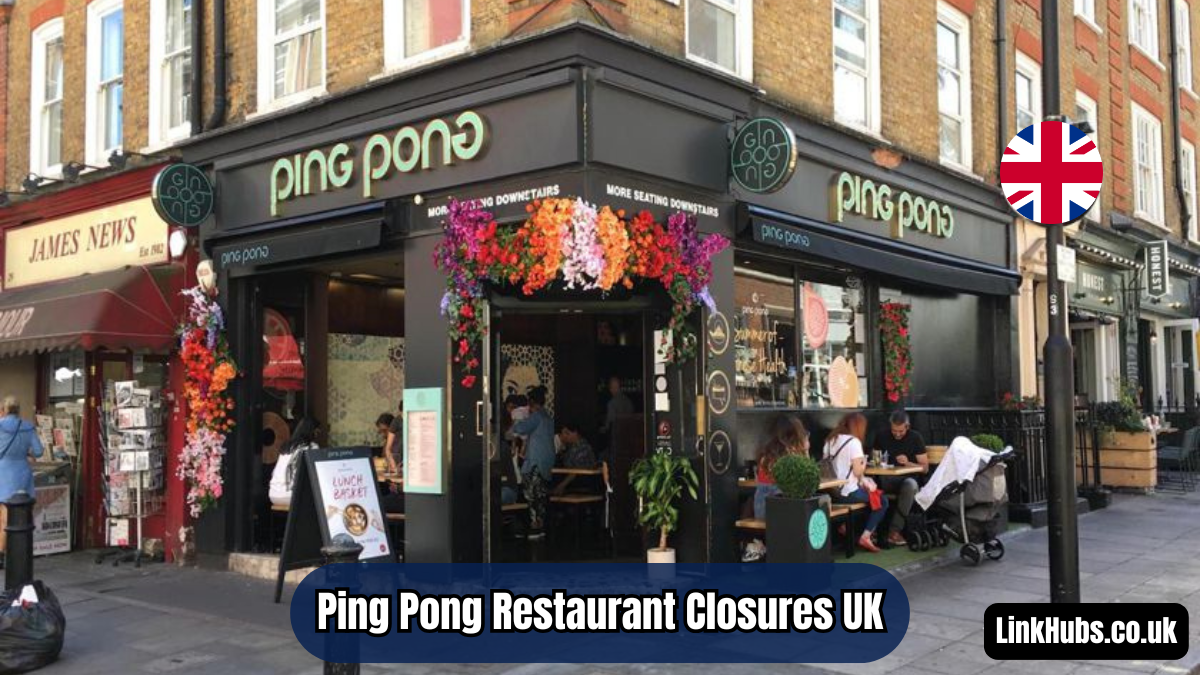
The news of Ping Pong Restaurant Closures UK shocked many food lovers across London. The once-popular dim sum chain, known for its vibrant atmosphere and signature dishes, has permanently closed all its locations after 20 years of operation. From Soho to Southbank, the closure marks the end of an era in casual dining and leaves a noticeable gap in London’s culinary landscape.
Founded in 2005, Ping Pong grew into a beloved brand that attracted both locals and tourists seeking authentic dim sum experiences. Over two decades, the chain expanded to multiple locations, creating a reputation for quality food, friendly service, and modern interiors. The closure of all restaurants across the UK highlights the challenges even established chains face in the post-pandemic economy.
Ping Pong’s Journey in the UK
Ping Pong’s journey in the UK began with a single restaurant in London, quickly becoming a destination for dim sum enthusiasts. The chain stood out for its innovative menu, offering a mix of traditional dumplings, baos, and signature cocktails. Over the years, it expanded to several key locations across London, including Soho, Southbank, Bow Bells House, and St Christopher’s Place.
At its peak, Ping Pong operated 12 locations and was known for hosting celebrations and casual meet-ups. The brand built a strong community following and a loyal customer base. Its blend of modern dining with authentic dim sum offerings made it a standout in London’s competitive restaurant scene. Despite its popularity, external pressures eventually led to the announcement of Ping Pong Restaurant Closures UK, ending the chain’s two-decade-long journey.
Reasons Behind Ping Pong Restaurant Closures UK
The primary reasons behind Ping Pong Restaurant Closures UK are financial pressures and operational challenges. Rising rents in central London, increased energy costs, and staffing expenses put significant strain on the business. These challenges intensified after the COVID-19 pandemic, which caused lockdowns, limited footfall, and mounting debts. Even a beloved brand like Ping Pong could not withstand these economic pressures.
The pandemic accelerated existing issues in the restaurant sector, forcing many chains to reconsider their sustainability. Combined with rising business rates and inflation in food supplies, Ping Pong struggled to maintain profitability. The chain’s management ultimately concluded that permanent closures were necessary. This decision reflects a broader trend in the UK dining industry, where several popular chains have faced similar fates due to changing market conditions.
Timeline of the Closures
The timeline of Ping Pong Restaurant Closures UK shows a careful, yet inevitable process. The announcement came in early July 2025, followed by the shuttering of the final four locations. Soho, Southbank, Bow Bells House, and St Christopher’s Place were among the last restaurants to close. Each closure was accompanied by messages of gratitude to loyal customers and employees, highlighting the chain’s 20-year journey.
Customers and staff reacted emotionally to the closures. Social media channels saw an outpouring of support and nostalgia, with many sharing their favorite memories at Ping Pong. Media outlets covered the news extensively, emphasizing the significance of losing a well-loved dim sum brand from the UK restaurant scene. The closures underline the harsh realities of running a hospitality business in London’s expensive and competitive environment.
Impact on UK Dining Scene
The closure of Ping Pong has created a ripple effect across the UK dining scene. Dim sum enthusiasts and casual diners now face fewer options for authentic and modern experiences in central London. Competitors may see an increase in customers, but the absence of a recognizable and established brand leaves a noticeable void in the market.
Beyond customer impact, the closures have implications for restaurant operators and the hospitality sector. Rising operating costs, economic uncertainty, and post-pandemic challenges continue to affect many businesses. The story of Ping Pong Restaurant Closures UK serves as a cautionary tale for other chains, highlighting the importance of financial planning, adaptability, and resilience in the ever-changing restaurant industry.
What’s Next for the Brand and Its Legacy
While Ping Pong has closed all UK locations, the brand’s legacy remains influential in London’s culinary culture. The chain demonstrated that innovative dim sum concepts could thrive in a modern setting. Its focus on quality, presentation, and customer experience set standards for other chains and independent restaurants.
Industry experts suggest that the lessons from Ping Pong’s closure will inform future business strategies. Although there are no immediate plans for reopening, the brand’s 20-year presence ensures it will be remembered fondly. The story of Ping Pong Restaurant Closures UK is a reflection of both success and vulnerability in the restaurant sector, leaving lasting impressions on both customers and competitors.
Conclusion
The story of Ping Pong Restaurant Closures UK is a poignant reminder of the challenges facing the hospitality industry. From its humble beginnings in 2005 to a peak of 12 thriving locations, the chain captured the hearts of many Londoners. Financial pressures, pandemic aftermath, and rising operating costs ultimately led to the closure of all locations, marking the end of a beloved dim sum era.
Although the restaurants have closed, Ping Pong’s influence on modern dim sum dining in the UK will remain. Its journey offers valuable lessons for other restaurateurs and reminds us of the delicate balance between brand popularity and business sustainability. The closures have reshaped the UK dining landscape, leaving a lasting legacy in London’s culinary history.
FAQs
Why did Ping Pong restaurants close in the UK?
Ping Pong restaurants closed due to financial pressures, including high rents, energy costs, staffing challenges, and pandemic-related debts. Rising business rates and inflation further contributed to the decision.
When did the last Ping Pong restaurant close?
The final four locations closed permanently in July 2025, marking the end of the chain’s 20-year presence in the UK.
Which UK cities had Ping Pong locations?
Ping Pong primarily operated in London, with locations in Soho, Southbank, Bow Bells House, and St Christopher’s Place.
How many years did Ping Pong operate in the UK?
Ping Pong operated for 20 years, from its founding in 2005 until the closures in 2025.
Are there any plans for Ping Pong to reopen in the future?
Currently, there are no confirmed plans for reopening, though the brand’s legacy continues to influence UK dim sum dining.
What impact did COVID-19 have on Ping Pong’s closures?
COVID-19 lockdowns and reduced customer footfall caused financial strain, adding to pre-existing business challenges and contributing significantly to the closures.
How did customers react to the closures?
Many customers expressed nostalgia and disappointment on social media, sharing their favorite memories and lamenting the loss of a beloved dining spot.
Are there similar dim sum chains still operating in the UK?
Yes, other dim sum and Chinese dining chains continue to operate, but none have matched Ping Pong’s combination of brand recognition, menu variety, and central London locations.

Leave a Reply