
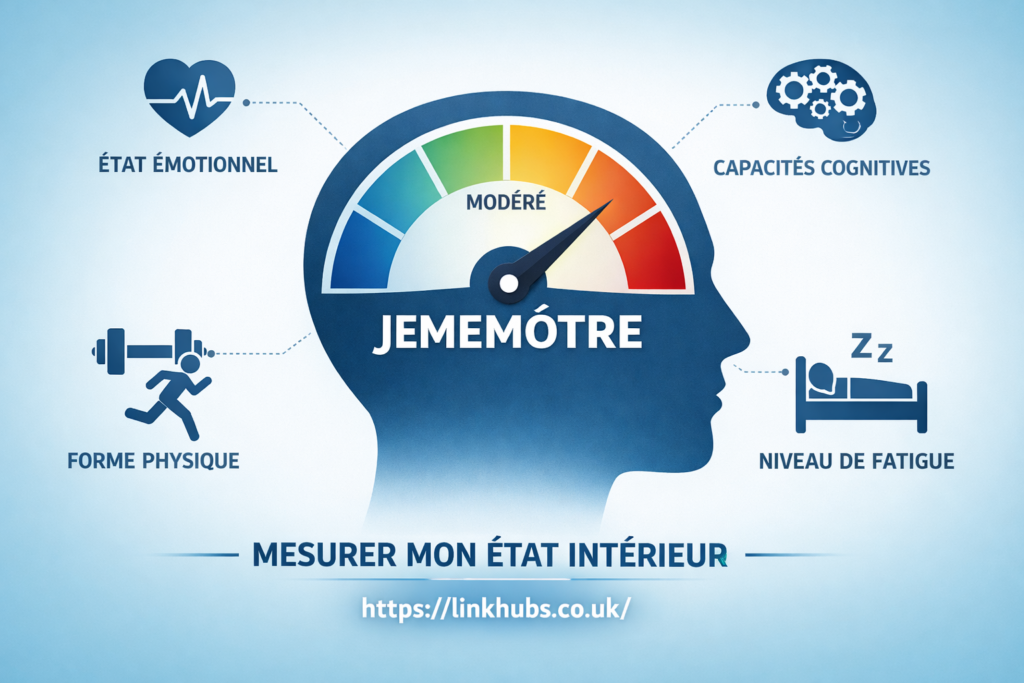
Jememôtre is a rare, evocative term that sparks curiosity the moment someone encounters it, blending linguistic nuance with emotional depth in a way few words manage to achieve. Its appeal lies not only in its sound but also in the layered meanings people attach to it across cultures, communities, and creative contexts.
In this definitive guide, we explore jememôtre from every relevant angle, unpacking its origins, interpretations, and evolving role in language, identity, and digital culture. Whether you encountered the term in conversation, art, or online discourse, this article is designed to give you complete clarity and practical understanding.
Understanding the Meaning of Jememôtre
At its core, jememôtre conveys a sense of introspective awareness combined with emotional presence, often associated with remembering oneself while engaging with others. Rather than a direct translation, it functions more as a conceptual expression that blends memory, identity, and self-recognition.
What makes this term compelling is its flexibility, allowing speakers or writers to adapt its meaning to personal reflection, creative writing, or philosophical discussion. The absence of a rigid definition gives it strength, not weakness, because it invites interpretation rather than limiting expression.
Linguistic Roots and Etymological Influences
The structure of jememôtre suggests influence from Romance languages, particularly French, where rhythm and emotional tone often shape meaning as much as literal translation. Linguists frequently note how such hybrid constructions emerge organically rather than through formal linguistic planning.
This organic evolution reflects how modern language adapts to human experience, borrowing familiar phonetic elements to create new semantic spaces. In that sense, the word exemplifies how contemporary expressions are born from emotional need rather than grammatical necessity.
Cultural Context and Interpretive Layers
Culturally, jememôtre resonates most strongly in environments that value introspection, emotional intelligence, and personal narrative. It appears in conversations where people seek to articulate feelings that conventional vocabulary struggles to capture.
Its layered interpretations often depend on context, speaker intent, and audience perception, making it a mirror rather than a label. This adaptability is precisely why it continues to surface in creative and intellectual circles.
Jememôtre in Creative Expression
Artists and writers are drawn to jememôtre because it encapsulates a state of being rather than a fixed idea, offering room for metaphor and emotional exploration. In poetry and prose, it often symbolizes the act of remembering one’s inner self amid external noise.
This creative usage highlights how language can serve as emotional architecture, shaping how experiences are framed and remembered. The term becomes a tool for storytelling rather than a static definition.
Digital Culture and Online Adoption
Online communities have embraced jememôtre as a way to signal emotional awareness and reflective thinking, especially in spaces centered on mental health, art, and identity. Its rarity gives it a sense of intimacy, making it feel personal rather than performative.
As digital language evolves rapidly, such terms often gain traction precisely because they resist oversimplification. They allow users to communicate complexity without lengthy explanation.
Psychological and Emotional Dimensions
From a psychological perspective, jememôtre aligns with concepts of self-awareness and mindful presence. It reflects the human desire to remain connected to one’s internal narrative while navigating relationships and responsibilities.
Therapists and coaches sometimes reference similar constructs when discussing emotional grounding, even if they do not use the word explicitly. The term effectively names an experience many people recognize but struggle to articulate.
Philosophical Interpretations
Philosophically, jememôtre can be read as a response to existential fragmentation, emphasizing continuity of self amid change. It echoes long-standing questions about identity, memory, and authenticity.
Rather than offering answers, it functions as a prompt for reflection, encouraging individuals to examine how they relate to themselves over time. This open-ended quality keeps the concept intellectually alive.
Common Misconceptions Clarified
One common misconception is that jememôtre is a formal or academic term, when in reality its power comes from informal, lived usage. Treating it as overly technical strips away its emotional resonance.
Another misunderstanding is assuming it has a single, correct definition, which contradicts the very nature of the term. Its meaning expands through use rather than narrowing through rules.
Practical Applications in Everyday Language
In everyday conversation, jememôtre can be used to describe moments of self-recollection during emotional or transitional experiences. People often apply it when reflecting on growth, change, or reconnection with personal values.
Used thoughtfully, it enriches communication by adding emotional precision without verbosity. Its subtlety makes it especially effective in writing and reflective dialogue.
Comparison With Similar Concepts
While many words touch on self-awareness or memory, jememôtre stands apart by blending both into a single experiential idea. Unlike mindfulness, it emphasizes remembrance, and unlike nostalgia, it remains grounded in the present.
The table below highlights how it compares with related concepts often used interchangeably but inaccurately.
| Concept | Core Focus | Key Difference |
| Mindfulness | Present awareness | Lacks memory component |
| Nostalgia | Past reflection | Not present-oriented |
| Self-awareness | Identity recognition | Less emotionally textured |
| Jememôtre | Remembered presence | Integrates past and present |
Use in Branding and Identity Narratives
Brands focused on authenticity and storytelling occasionally reference jememôtre to convey depth and emotional intelligence. When used sparingly, it signals thoughtfulness rather than trend-chasing.
This approach works best when aligned with genuine values, as audiences quickly detect superficial usage. The term rewards sincerity and punishes misuse.
Language Evolution and Future Relevance
Language evolves through collective experimentation, and jememôtre represents a successful example of organic adoption. Its staying power depends on continued meaningful use rather than viral exposure.
As conversations around identity and emotional literacy deepen, such terms are likely to gain relevance rather than fade. They fill gaps traditional vocabulary leaves open.
Expert Perspective on Emerging Language
“Words like jememôtre exist because humans need language that mirrors emotional complexity, not just factual accuracy,” notes cultural linguist Marie Delacourt. Her observation underscores why emotionally rich terms persist.
Expert consensus suggests that the future of language will favor adaptability and resonance over rigid definition. This term fits squarely within that trajectory.
Ethical and Contextual Considerations
Using jememôtre responsibly means respecting its interpretive openness and cultural sensitivity. Imposing a narrow meaning can undermine its expressive value.
Context matters deeply, and speakers should remain attentive to audience understanding and emotional tone. Thoughtful usage preserves its integrity.
Conclusion
Jememôtre endures because it articulates a human experience that is both subtle and universal, bridging memory and presence without oversimplification. Its flexibility allows it to adapt across creative, personal, and philosophical contexts.
As language continues to evolve toward emotional precision, this term stands as a reminder that meaning is often felt before it is defined. Embracing such words enriches communication and deepens self-understanding.
Frequently Asked Questions
This section addresses common questions to clarify usage, meaning, and relevance in a concise, practical way. Each answer is designed to reinforce understanding without reducing the term’s expressive depth.
These responses reflect current interpretations and real-world usage rather than prescriptive definitions.
What does jememôtre mean in simple terms?
Jememôtre refers to the experience of remembering oneself emotionally while engaging with the present moment, blending awareness and memory.
Is jememôtre a real word or a coined term?
Jememôtre functions as a modern coined expression that gains legitimacy through consistent, meaningful use rather than formal dictionaries.
How is jememôtre used in writing?
Writers use jememôtre to convey introspection, emotional grounding, or identity continuity without lengthy explanation.
Can jememôtre be applied in everyday conversation?
Yes, jememôtre can be used casually to describe moments of self-awareness during emotional or reflective experiences.
Why is jememôtre gaining attention online?
Jememôtre resonates online because digital spaces encourage nuanced self-expression, and the term captures complexity succinctly.