

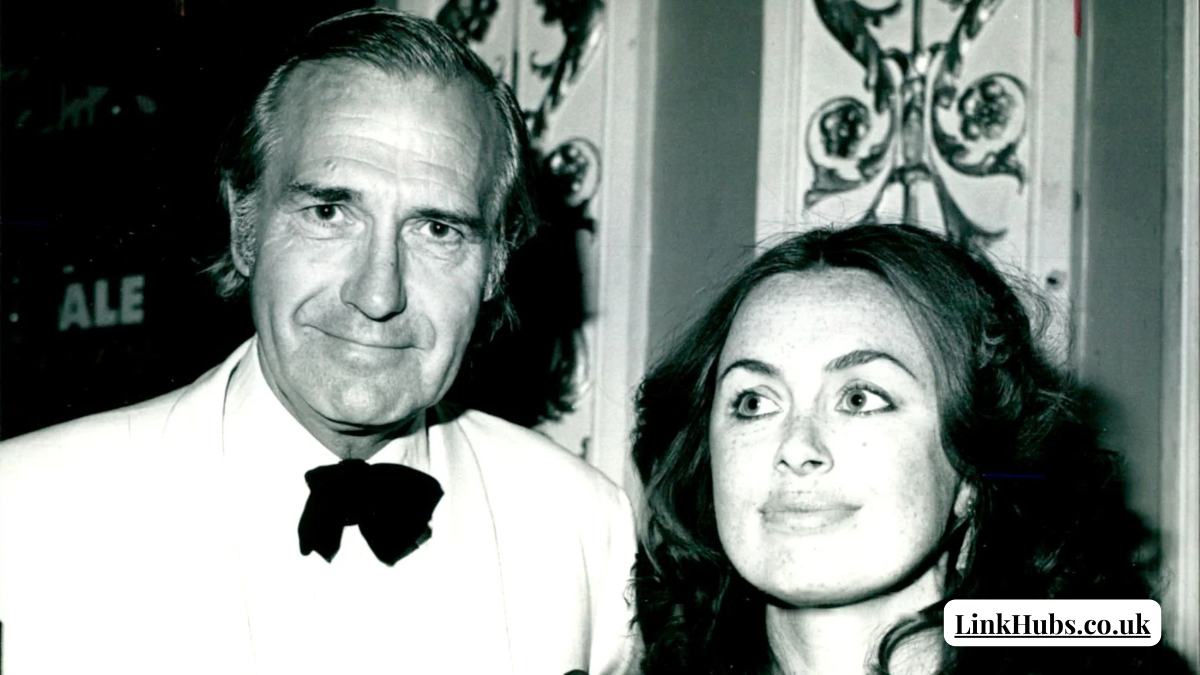
Sheila Buckley: Life, Legacy, and Lasting Public Interest
In the landscape of 20th‑century public figures whose lives intersected with scandal, politics, and public intrigue, sheila buckley stands out as a name that continues to capture curiosity and debate. Best known for her connection to the extraordinary story of British politician John Stonehouse, Buckley’s life trajectory—from parliamentary secretary to a key figure in one of the UK’s most talked‑about political controversies—is layered with personal loyalty, public scrutiny, and enduring mystery. Her story continues to be revisited today through historical accounts, dramatic retellings, and cultural reflections on loyalty, scandal, and media.
While Buckley herself has kept a largely private life in recent decades, her name remains a point of reference for scholars, audiences, and readers exploring human complexity behind headline‑grabbing events. In this comprehensive deep dive, we unpack the life, context, and legacy of sheila buckley, positioning her within the broader narrative of political history and media representation.
Early Life and Introduction to Public View
Sheila Buckley came to public attention not through her own political ambitions but through her professional work as a parliamentary secretary. In an era when the behind‑the‑scenes operations of government were less scrutinized, Buckley was effective and unassuming in her role supporting Labour MP John Stonehouse. What began as a professional relationship eventually crossed into the personal—an affair that would have profound consequences for both of their lives.
As a young professional, Buckley’s work ethic and discretion were notable. Colleagues described her as capable and committed, characteristics that likely contributed to her later decisions during turbulent times. While details about her family, education, and early years are scarcely documented in historic records, what we do know establishes Buckley as a figure whose identity cannot be separated from her pivotal role in the unfolding events of the mid‑1970s.
The Stonehouse Scandal: A Life Altered
The story that most researchers and commentators associate with sheila buckley centers on the unprecedented scandal involving British Labour MP John Stonehouse. In 1974, Stonehouse staged his own death on a Miami beach by leaving clothes and personal effects in the sand, prompting headlines and a massive international search. His intention was to start a new life in Australia using a false identity—an attempt that would ultimately fail.
Buckley, who was Stonehouse’s parliamentary secretary at the time, was romantically involved with him for years—a fact that only became public during the investigation. There’s no evidence that Buckley faked her own death or staged any deceptive actions independently, but her association with Stonehouse during the scandal placed her in rarefied and controversial ground. Experts analyzing the period cite her as someone deeply loyal and personally connected to her employer, whose choices were as much emotional as they were consequential.
Romantic and Professional Bond
The relationship between sheila buckley and Stonehouse was defined by secrecy, affection, and complexity. Sources note the pair maintained a long‑standing romantic involvement while Buckley served professionally as Stonehouse’s assistant. The overlap between their working life and personal relationship has fueled decades of historical inquiry, underscoring how deeply personal dynamics can intersect with public responsibility.
Buckley’s support for Stonehouse during his legal troubles was unwavering. When he was arrested abroad and returned to the UK for trial, she visited him in prison regularly and stood by him through every tumultuous moment. This display of personal loyalty has been interpreted variably—as devotion, complicity, or a human response to intense emotional bonds.
Marriage and Family After the Scandal
After Stonehouse was released from prison and the scandal officially closed, he and sheila buckley married. The couple had a son together, and their life proceeded away from the public spotlight. It’s worth noting that Stonehouse’s first marriage of over three decades had already been strained, and his union with Buckley was emblematic of shifting personal priorities amidst public controversy.
Tragically, Stonehouse died in 1988, leaving Buckley with both emotional loss and the responsibility of raising their child. Following his death, she largely withdrew from the public eye, choosing instead a quieter life, reportedly in Hampshire, England, where she focused on family and personal interests rather than media attention.
How Popular Culture Reframes Sheila Buckley
In recent years, sheila buckley has reentered cultural discourse through dramatic depictions of the Stonehouse scandal. The ITV mini‑series Stonehouse brought renewed attention to her life and choices, with actress Emer Heatley portraying Buckley and introducing her story to television audiences worldwide. Dramatic storytelling has added emotional texture to Buckley’s narrative, prompting a broader reexamination of her motives and humanity.
As with many historical figures depicted in film and television, accuracy and creative license intersect. Even so, these portrayals contribute to a more nuanced understanding of Buckley’s place in the historical moment. Her story resonates not merely because of scandal, but because it exposes the personal stakes behind political life.
Debates, Interpretations, and Controversies
The legacy of sheila buckley invites debate. Was she an unintentional accessory to a political crime, a victim of circumstances beyond her control, or a woman whose emotional devotion led her into unintended consequences? Scholars and commentators have offered divergent interpretations, with some emphasizing her loyalty while others critique her decision‑making under pressure.
Importantly, Buckley’s life defies simplistic categorization. Interviews with people close to the case highlight that emotional relationships—especially those built within power imbalances—are rarely straightforward. This complexity is central to why Buckley’s story continues to prompt reflection decades later.
A Table: Key Figures in the Stonehouse Affair
Here’s a structured comparison of the major personalities involved in—and affected by—the events linked to sheila buckley and the Stonehouse scandal:
| Figure | Role | Connection to Sheila Buckley | Public Legacy |
| John Stonehouse | MP & Central Scandal Figure | Romantic partner; later husband | Historical notoriety; subject of books & drama |
| Sheila Buckley | Secretary & Partner | Supporter and key witness in scandal | Viewed variably as loyal partner or controversial figure |
| Barbara Stonehouse | First wife of John | Stonehouse’s spouse before Buckley’s involvement | Often depicted as the betrayed spouse |
| James William John | Son of Buckley & Stonehouse | Child of Buckley & Stonehouse | Private life; rarely publicized |
| Emer Heatley | Actress | Portrayed Buckley in dramatization | Cultural reimagination of Buckley |
This table underscores how intertwined professional roles, personal decisions, and public memory have shaped perceptions of Buckley and her circle.
Expert Reflection
“History is often told through the lens of those in power, but the human stories beneath the headlines—especially those like sheila buckley—remind us that personal loyalty and public responsibility often collide in the most unexpected ways.”
This quote captures the enduring fascination with Buckley’s life: a story not of simple triumph or failure, but of layered human experience.
Lessons for Contemporary Readers
The story of Buckley offers wider lessons for how we understand professional boundaries, emotional engagement, and the consequences of personal choice within public life. In age where political scandals emerge rapidly and reputation is fragile, Buckley’s experience—rooted in human emotion and circumstance—remains relevant. It reminds us that personal bonds and professional roles can intersect in unexpected ways, often with long‑term consequences.
Understanding her story involves more than recognizing scandal. It requires empathy for individuals navigating complex emotional terrain under the glare of public scrutiny.
Conclusion
Sheila Buckley represents a compelling figure where personal biography meets public history. Although her name emerged primarily through association with one of the most extraordinary political scandals of the 20th century, Buckley’s life offers insights into loyalty, consequence, identity, and the enduring complexity of human choices.
Far from being a footnote, her story challenges us to think deeply about how personal relationships inform public lives—and how history remembers those who step into the spotlight, willingly or not.
FAQ About Sheila Buckley
Who is sheila buckley?
Sheila Buckley is a British woman best known for her relationship with Labour MP John Stonehouse, whom she supported during the infamous scandal when he faked his own death.
What happened between sheila buckley and John Stonehouse?
Buckley and Stonehouse had a long‑term romantic relationship while she served as his secretary, and she stood by him during his arrest and imprisonment related to his fake death scheme.
Did sheila buckley marry John Stonehouse?
Yes, Buckley and Stonehouse married after his release from prison and remained together until his death in 1988.
How is sheila buckley portrayed in popular culture?
Sheila Buckley has been depicted in dramatic retellings, including the ITV series Stonehouse, highlighting her role in the scandal and personal life.
Where is sheila buckley now?
Buckley has kept a private life in recent years, reportedly living in Hampshire, England, focusing on family and personal interests away from the public eye.

Leave a Reply