

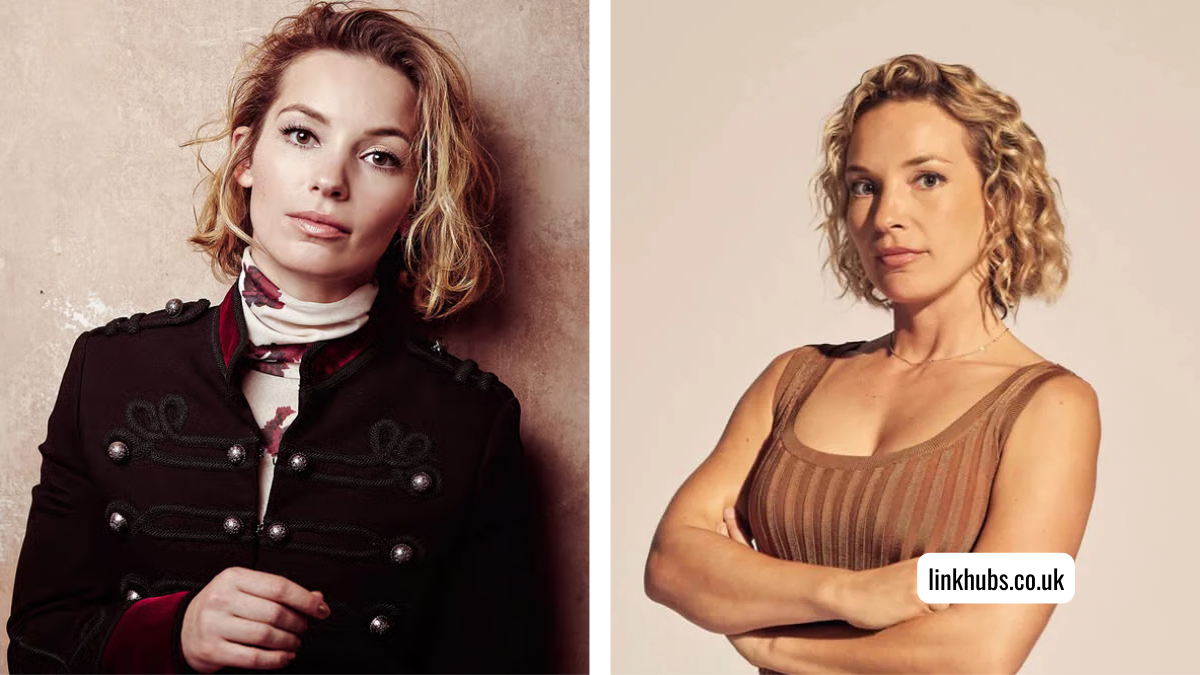
Perdita Weeks Disability: Separating Facts From Online Speculation
Curiosity around celebrities often leads to questions that mix on-screen storytelling with real life. One topic that continues to surface in search engines is perdita weeks disability, a phrase that reflects both genuine interest and widespread confusion. Fans want clarity, context, and truth — not recycled rumors or vague gossip.
This article provides a respectful, evidence-based look at where the conversation comes from, what is publicly known, and why responsible reporting matters. Along the way, we’ll also explore how television roles, camera work, and internet culture can blur perception, especially when it comes to physical ability and representation.
Why This Topic Trends Online
Search behavior often spikes when audiences notice something visually different about an actor on screen. In this case, queries related to perdita weeks disability gained traction after viewers associated certain scenes or character traits with the actress herself, rather than the fictional roles she portrays.
Online algorithms amplify curiosity, not accuracy. Once a rumor or assumption appears in search suggestions, it creates a feedback loop where more people search for the same phrase, giving the illusion of confirmed information when, in reality, it may stem from misunderstanding.
Who Perdita Weeks Is
Perdita Weeks is a British actress known for roles in film and television, with international recognition from her work in action and drama series. Her performances often involve physically demanding scenes, strong character development, and complex emotional arcs.
Because she frequently portrays capable, resilient characters, viewers sometimes overanalyze small details in movement, posture, or costume design. That close scrutiny can unintentionally fuel conversations like perdita weeks disability, even when no verified medical information exists.
The Role That Sparked Speculation
A major driver behind searches for perdita weeks disability was her role in the reboot of Magnum P.I., where she played Juliet Higgins. The character’s backstory, wardrobe choices, and occasional physical storylines led some viewers to draw conclusions about the actress herself.
Television storytelling often uses temporary injuries, tactical gear, or subtle costuming decisions to build character depth. When audiences forget the boundary between actor and role, fictional elements can mistakenly be interpreted as personal realities.
Actor Versus Character Confusion
One of the most common causes of celebrity health rumors is character association. Viewers spend hours watching a fictional persona and may subconsciously blur the distinction between performance and real life, especially when the portrayal feels authentic.
This dynamic plays a key role in the rise of the perdita weeks disability query. The more convincing the acting, the easier it becomes for speculation to replace verified information in online discussions.
No Verified Public Medical Disclosure
There is no confirmed public statement, interview, or verified report indicating that Perdita Weeks has a disability. Responsible coverage of the perdita weeks disability topic must begin with that essential fact: medical information is private unless a person chooses to share it.
Assumptions based on appearance, posture, or scripted scenes are not reliable sources. Respecting personal boundaries is crucial, particularly when discussing health, mobility, or physical conditions involving real people.
How Camera Techniques Influence Perception
Film and television productions use camera angles, lighting, and movement blocking to tell stories visually. These techniques can subtly change how an actor appears to walk, stand, or move during a scene.
When clips are shared without context, viewers may analyze them as evidence tied to perda weeks disability discussions. In reality, those visual cues are often deliberate storytelling tools rather than reflections of an actor’s physical health.
Costume Design and Misinterpretation
Wardrobe choices can shape audience perception in powerful ways. Tactical clothing, boots, braces used as props, or layered outfits can alter silhouette and movement, which sometimes leads to speculation unrelated to the performer’s real-life condition.
In discussions about perdita weeks disability, costume design has occasionally been misread as medical support gear. This illustrates how visual storytelling elements can unintentionally fuel rumors when viewed outside narrative context.
The Power of Search Engine Suggestion
Search engines generate auto-suggestions based on popular queries, not verified truth. Once a phrase like perdita weeks disability gains traction, it appears to be an established topic simply because it shows up in the search bar.
This phenomenon creates perceived legitimacy. Users assume widespread searches mean confirmed information, when often it just reflects collective curiosity without factual backing.
Social Media Amplification
Short video clips and screenshots circulate rapidly on platforms where context is limited. A still image taken mid-step or during a stunt scene can spark speculation that spreads far beyond its original post.
These viral snippets have played a role in the popularity of perda weeks disability discussions. Social sharing prioritizes intrigue and engagement, not medical accuracy or ethical boundaries.
Why Privacy Matters in Health Topics
Health information is deeply personal. Even public figures maintain the right to disclose — or not disclose — details about their bodies and medical histories.
Treating the perda weeks disability topic responsibly means recognizing that absence of confirmation is not an invitation to speculate. Respect protects both the individual and the integrity of public discourse.
Disability Representation in Television
Separate from personal rumors is a broader conversation about how disability is portrayed on screen. Modern productions increasingly aim for authenticity, nuanced storytelling, and inclusive casting.
The popularity of searches like perda weeks disability also reflects audience interest in representation. Viewers want to understand whether what they see reflects lived experience or fictional narrative choices.
The Difference Between Rumor and Reporting
Responsible reporting relies on verified sources, direct quotes, and documented facts. Rumors rely on repetition without evidence.
Much of the content circulating around perda weeks disability falls into the latter category. Recognizing that distinction helps audiences make more informed judgments about what they read online.
How Fan Curiosity Shapes Media Coverage
Fan communities are passionate and observant. Their discussions often influence what topics trend, which in turn shapes entertainment coverage priorities.
The rise of perda weeks disability as a search term demonstrates how audience questions can evolve into full online narratives, even without official confirmation.
Respectful Curiosity Versus Intrusion
It is natural to feel curious about performers whose work resonates with us. However, curiosity becomes intrusive when it seeks private medical details without consent.
Approaching the perda weeks disability topic with empathy means focusing on professional achievements rather than personal health speculation.
Public Figures and Medical Boundaries
Even highly visible actors retain control over their medical narratives. Disclosure is a personal decision, not an obligation tied to fame.
Understanding this boundary reframes how we interpret perda weeks disability searches. Lack of disclosure should be seen as a privacy choice, not a mystery to be solved.
Media Literacy in the Age of Virality
Today’s audiences consume information at unprecedented speed. Developing media literacy skills helps distinguish between confirmed facts and algorithm-driven assumptions.
Learning to question the origins of terms like perda weeks disability is part of becoming a more informed digital citizen.
How Production Schedules Affect Physical Performance
Television shoots are physically demanding, and actors often film long hours under challenging conditions. Fatigue or scene-specific choreography can subtly affect posture or movement.
Viewers may interpret these temporary factors as evidence supporting perda weeks disability rumors, when they are simply part of the production process.
Stunts, Doubles, and Editing
Action sequences frequently use stunt doubles, creative editing, and camera cuts to maintain continuity and safety. These techniques can create visual inconsistencies that spark viewer speculation.
Some online conversations tied to perda weeks disability overlook how heavily edited action scenes can alter perceived physicality.
The Impact of Repetition on Belief
Psychological studies show that repeated exposure to a claim increases the likelihood people believe it, even without evidence. This is known as the “illusory truth effect.”
The repeated appearance of perda weeks disability in searches and posts can make the idea feel established, despite the absence of verified information.
Comparing Fictional Injury Tropes
Television often uses temporary injuries as plot devices to reveal vulnerability or deepen character arcs. These tropes are common across genres, especially in action dramas.
When audiences conflate these fictional injuries with real-life health, searches like perda weeks disability can emerge from storytelling techniques rather than reality.
A Quick Breakdown of Fact Versus Assumption
| Topic | What Is Known | What Is Assumed Online | Evidence Level |
| Actress’s health | No public medical disclosure | Speculation about mobility | No verified sources |
| On-screen movement | Influenced by role and direction | Seen as personal trait | Context-dependent |
| Costume elements | Character styling choices | Interpreted as medical aids | Production design |
| Search trends | High curiosity | Mistaken for confirmation | Algorithm-driven |
This comparison shows how easily perception can drift from documented fact into assumption within the perda weeks disability conversation.
The Responsibility of Content Creators
Writers and publishers influence how topics are framed. Responsible content avoids sensationalism and prioritizes accuracy and empathy.
Covering perda weeks disability ethically means acknowledging uncertainty rather than filling gaps with speculation.
A Perspective on Public Narratives
As one media ethics expert puts it, “Curiosity should never outweigh a person’s right to define their own story.” That principle is especially relevant in discussions involving health and ability.
Applying that mindset to perda weeks disability encourages more thoughtful engagement and discourages rumor-based storytelling.
Why Representation Conversations Still Matter
Even though personal speculation is inappropriate, broader discussions about disability representation remain important. Audiences benefit from authentic, respectful portrayals of diverse physical experiences.
Interest in perda weeks disability also signals that viewers are paying attention to how ability is depicted on screen, which can push the industry toward better inclusion practices.
The Role of Interviews and Public Statements
Verified information typically comes from direct interviews, press releases, or first-person disclosures. In the absence of such sources, claims should not be presented as fact.
To date, no confirmed interview supports assertions tied to perda weeks disability, reinforcing the need for caution in reporting.
Cultural Shifts in Privacy Expectations
Earlier eras of entertainment journalism often blurred personal boundaries. Today, audiences increasingly recognize the importance of consent and privacy.
That shift influences how we approach topics like perda weeks disability, moving away from invasive curiosity toward respectful distance.
How Audiences Can Engage Responsibly
Fans can support actors by celebrating performances, following official updates, and avoiding the spread of unverified personal claims.
Choosing not to amplify rumors connected to perda weeks disability contributes to a healthier, more respectful online environment.
The Bigger Picture of Celebrity Health Rumors
Perdita Weeks is not alone in facing health-related speculation. Many public figures encounter similar narratives fueled by screenshots, misunderstandings, or viral posts.
Understanding how these cycles form helps put perda weeks disability discussions into a broader context of media culture.
Conclusion
The ongoing interest in perdita weeks disability reflects a mix of curiosity, character association, and algorithm-driven visibility. However, there is no verified public information confirming that the actress has disclosed any disability.
Respectful engagement means separating fictional storytelling from real life and recognizing the importance of medical privacy. By approaching celebrity topics with empathy and media literacy, audiences can enjoy entertainment while honoring personal boundaries.
Frequently Asked Questions
Is there confirmed information about Perdita Weeks disability?
There is no verified public disclosure regarding Perdita Weeks disability, and responsible reporting respects that medical details are private unless shared directly.
Why do people search for Perdita Weeks disability?
Searches for Perdita Weeks disability likely stem from character portrayals, camera angles, and online speculation rather than confirmed personal information.
Did a TV role cause the Perdita Weeks disability rumors?
Yes, fictional elements in television roles have contributed to curiosity around Perdita Weeks disability, even though acting performances do not equal real-life conditions.
Has Perdita Weeks spoken publicly about having a disability?
There are no confirmed interviews or statements where she has discussed Perdita Weeks disability, reinforcing that such topics remain personal.
How should fans approach topics like Perdita Weeks disability?
Fans should treat Perdita Weeks disability discussions with caution, avoid spreading rumors, and focus on celebrating professional work instead of personal speculation.

Leave a Reply